FS5000 – Is This The Ultimate Cheap Geiger Counter?
Welcome back my fellow radiation nerds! Today we are taking a closer look at the FS5000 meter and whether it is the ultimate budget Geiger counter!
If you enjoy this content make sure to subscribe so you dont miss any of the upcoming uploads. Thanks and now back to the video!
For a very long time I had a serious problem with answering one of the most common question in the field of amateur nuclear physics: “Which cheap geiger counter, would I recommend?”.
On one hand, there are plenty of cheap Chinese meters but in most cases they are honestly of very low quality. They suffer from low measuring range, slow averaging time and bad GM tubes that are not sensitive and can be prone to UV pollution.
On the other hand, there are professional devices such the SE International Radiation Alert Ranger which are absolutely fantastic, but they cost almost 10x what the cheap Chinese meters do and they are hard to recommend to someone who is just starting out, even if these meters are definitely worth their price.
So the question is: is there a budget friendly meter that can be bough brand new and that performs decently? Well, the Bosean FS5000 might be just the right answer!
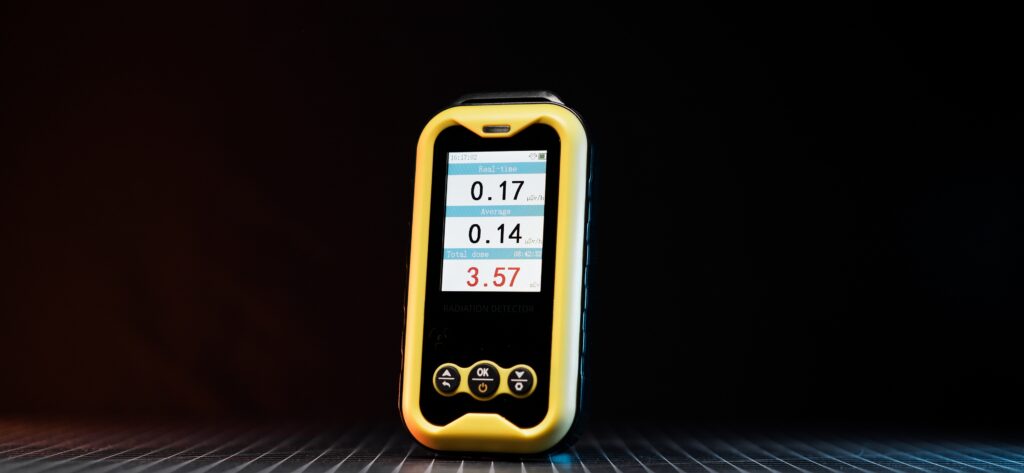
FS5000 – Overview
The FS5000 is very budget friendly geiger counter produced by Bosean. While they are available on Amazon for around 70-80 Euro, I would recommend picking one up from the official Bosean AliExpress store site as they are a bit cheaper there, usually costing around 50 Euro and the only big downside is that delivery will take a few day longer.
Link to the Bosean AliExpress store: CLICK HERE
The meter has a very simple design which I really like and unlike some other cheap meters, the FS5000 doesn’t look cheesy or anything like that – it feels like a proper measuring device. The body is made out plastic which is pretty decent but I would still avoid dropping it and handle it with care as it doesn’t come with any type of carry case.

The user interface is pretty intuitive and the menus are simple to navigate. The measurements are displayed on a large screen which is decently bright to be used even in bright daylight. There is also a speaker with audible clicking sound which a great bonus but it isn’t very loud and can be hard to hear in some noisy environments and the LED on the top of the meter only flashes when the alarm gets triggered.
The device runs an internal rechargeable battery which should last for about 5 days according to the manufacturer. While battery life is pretty good, I’d prefer if the unit used standard AA batteries which can be easily and quickly swapped out in the field if needed.
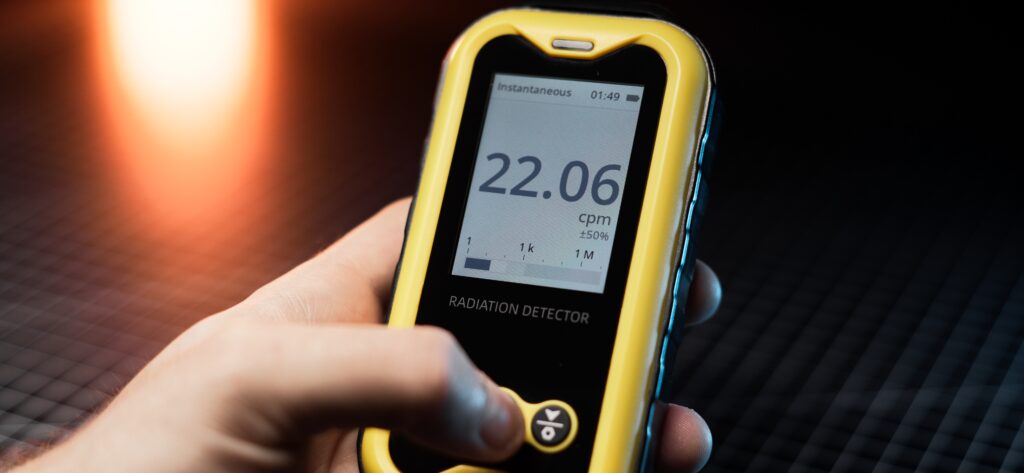
The tube used by this meter is the J321 which is a glass tube and it is ok. It gives around 20 CPM of background and it is able to detect hard beta, gamma and Xray radiation. Compared to other Chinese tubes, it is definitely much better but I wouldn’t call it an ideal design. I’m still waiting for Chinese manufactures to create a tube that can truly rival and beat the good old SBM-20, especially as its supply really dried out in the recent years.

On the bak of the unit there are small opening in the body which allow beta particles to reach the GM tube however there is no beta shield, which is a big bummer as it makes all the dose reading in uSv/h, pretty much pointless as beta activity will highly inflate them. I would really like to see a removable beta shield like on the Terra-P meters added to the future models. Luckily there is a CPM and even CPS mode but with low sensitivity of the J321 tube, I think the CPS is really unnecessary and I would just stick to using the CPM.
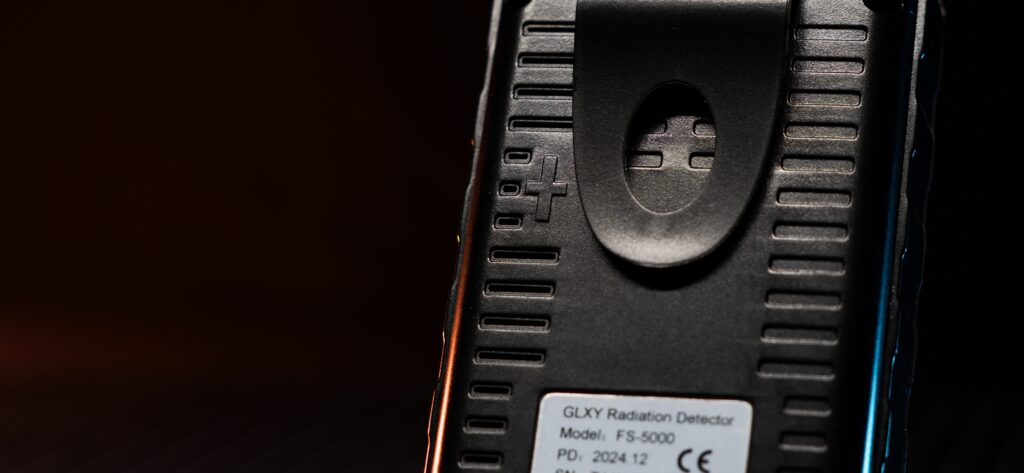
When considering the FS5000, make sure that the listing explicitly states that the meter comes with J321 and not some other generic GM tube. While reading through some forums, I noticed that some of these meters came with alternative tubes which have much worse performance and should be avoided.
So how does the FS5000 perform?
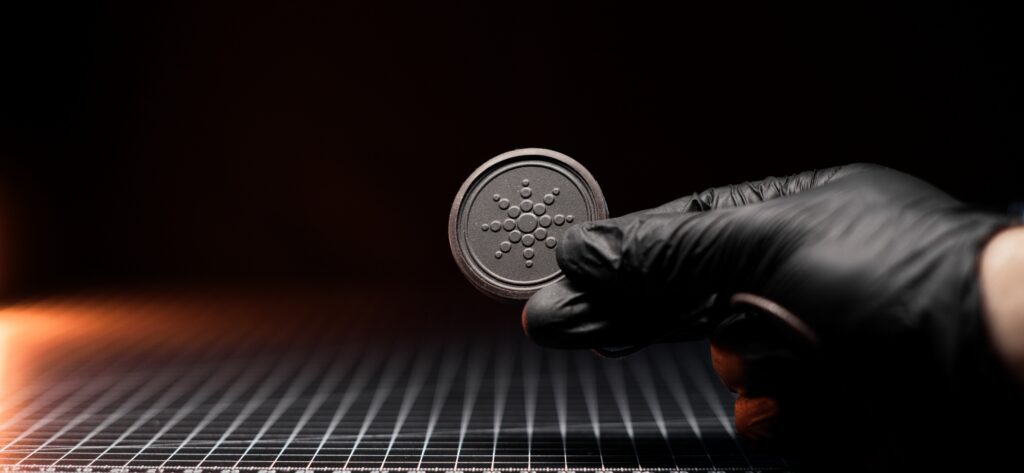
I tested my FS5000 meter against a few of my sources which include a negative ion pendant, a thorium gas mantle, a coin made out of pure lutetium metal and a high grade Uranium ore.
As mentioned previously, the FS5000 doesn’t have a beta shield which makes the dose rate reading irrelevant so I will be using the CPM as they display the raw data from the detector. Remember that CPM are dependent on the tube used by the meter and the results measured with a J321 will be vastly different from ones measured with the LND7311 found in my Ludlum 44-9 probe which I normally use.
First up is a Negative Ion pendant which contains Thorium 232. The FS5000 measured pretty low activity and it took the meter a while to show the final result which was 50CPM, only 30 CPM over background. Not an ideal result.
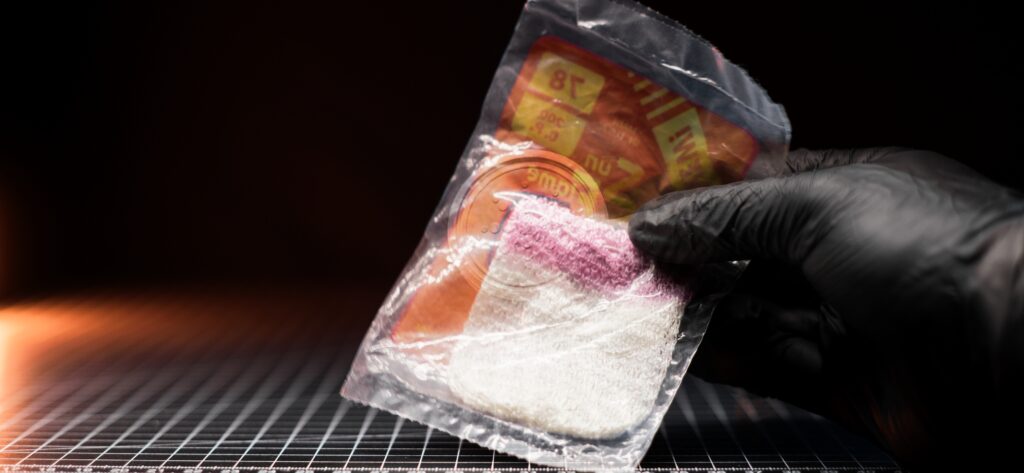
The Thorium gas mantles are pretty common and easy to find check source. This time the FS5000 had no problem with detecting them and I got around 450 CPM. Definitely a better result than with the pendant.
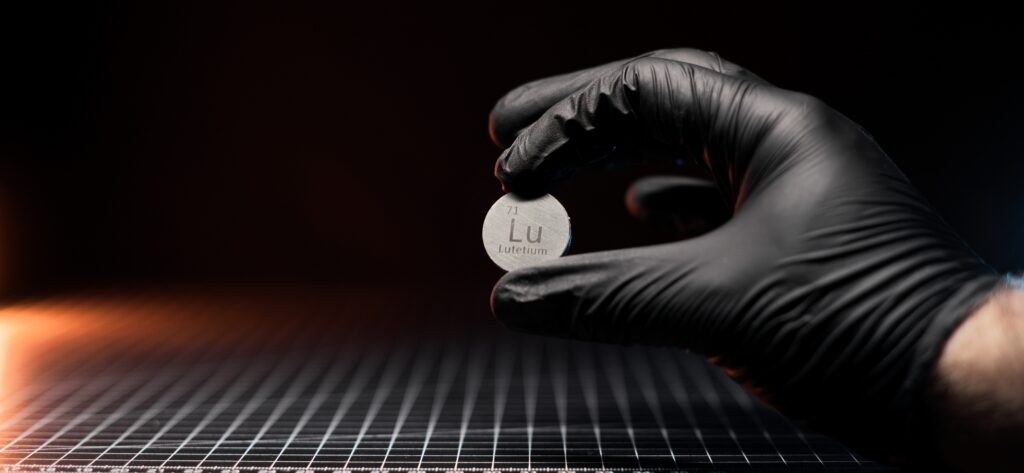
Most budget meters struggle with detecting very low activity samples. This Lutetium coin contains 0.218g of radioactive Lu176 isotope which has an activity of ~440 Bq. It is a very low activity sample but detectable with my more sensitive meters. The FS5000 however struggled with detecting it. The readings eventually did go up by a few counts but it took a while and I don’t think I’d be able to detect in the field. Unfortunately the FS5000 failed this test.
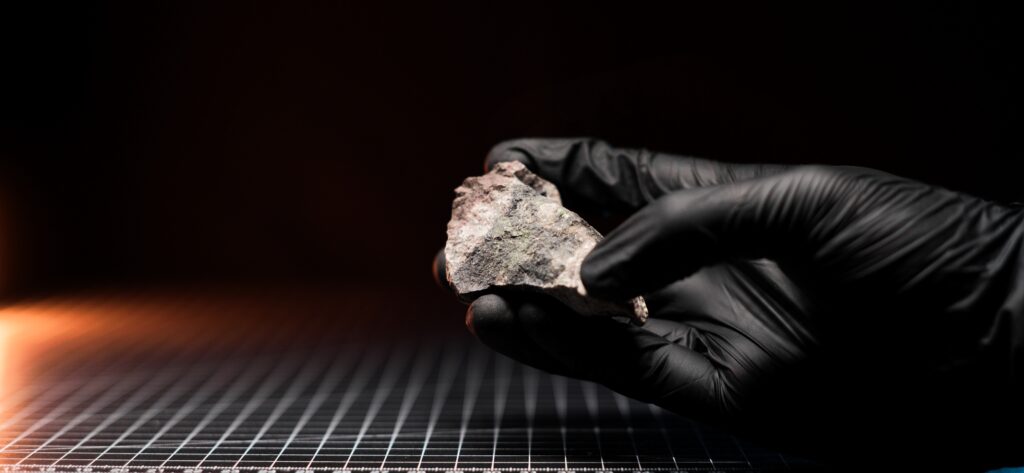
Lastly, I tested the meter against a piece of a high grade Uranium ore and it had absolutely no problem in detecting it but it took over a minute before the final result stabilised at over 36k CPM.
After conducting the stress test, I notice another big problem with the FS5000 meter. It takes a while for the readings to comedown back to background radiation levels after measuring hot samples.
Rad Pro Upgrade
As we discovered, the main issue in most of these cheap Geiger counters is a bad firmware. It usually has slow averaging time which doesn’t adjust to sudden changes in activity resulting in very slow calculation of the measurements. When compared to my RAYSID or my MKC-01CA1M, the FS5000 doesn’t even come close. This is a serious issue which always made me recommend against buying cheap meters.
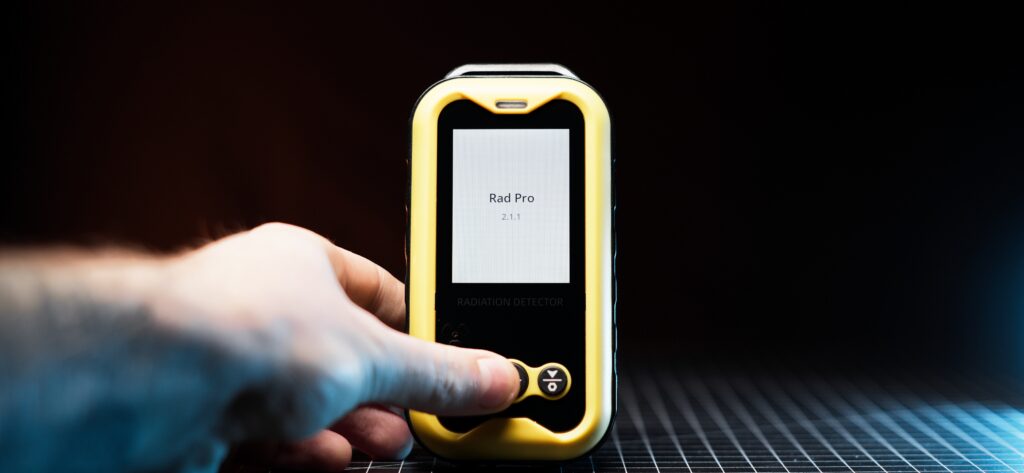
However, the community is great and a guy called Gissio wrote a custom firmware called RadPro which addresses most of the firmware issues. After installing it, the FS5000 became much more responsive to sudden changes in activity and the new firmware also brought a bunch of new features, which really elevate the usability of the meter.
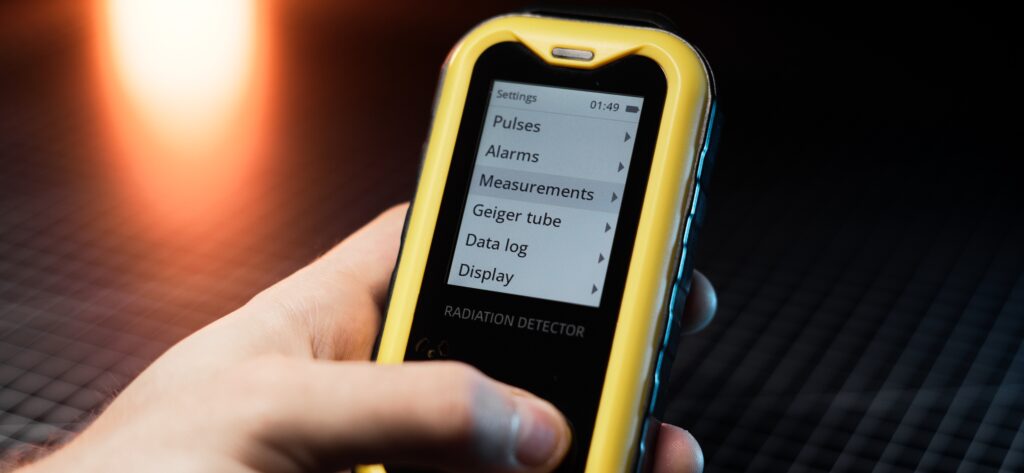
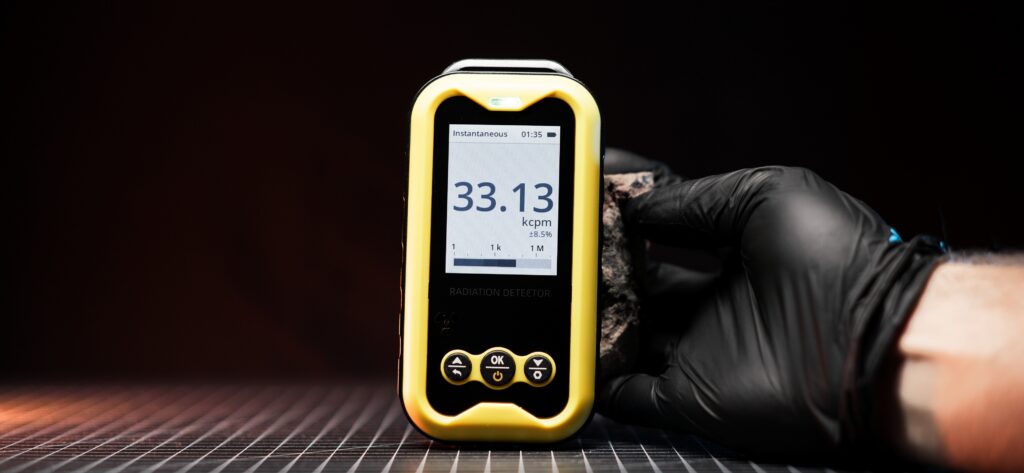
The only real downsize of this new firmware is that the device eats through the battery much quicker but I think it is a worthy sacrifice. Hopefully this can be optimised in a future update.
I definitely recommend checking it out if you have one of the following meters:
FS2011, YT-203B, Bosean FS-600, Bosean FS-1000, Bosean FS-5000, FNIRSI GC-01 and JOY-IT JT-RAD01
Link to Rad Pro: https://github.com/Gissio/radpro
Summary
The Bosean FS5000 has positively surprised me with its value for money, especially after installing the custom RadPro firmware. It definitely won’t be replacing my other meters such as the Terra-P or the MKC-01CA1M but I wouldn’t hesitate to recommend it to someone who is just starting out and looking to buy their first cheap meter to begin their journey with radiation detection.
I want ot hear from you! Do you have the FS5000 meter? What are your experiences with it and do you use the custom Rad Pro firmware with it? Let me know, in the comments below!
Thank you so much for reading this post, I hope you enjoyed it and learned something new! If yes, please make sure to subscribe to the email list so that you get notified when new posts are added. Also feel free to check out my Ko-Fi page where you can donate a nice cup of radioactive coffee and support my work financially.
and remember, stay active!


3 Comments
Curious · 9 June 2025 at 07:24
did you get paid or receive this item free to review?
allRadioactive · 9 June 2025 at 07:27
Hey, I reached out originally to Bosean about potential collaboration but they weren’t interested and I ended up buying the meter with my own money.
I always disclose if a video / post is sponsored
Curious · 10 June 2025 at 12:06
Thanks for the quick reply and confirmation!